National Development Planning Commission

National Development Planning Commission
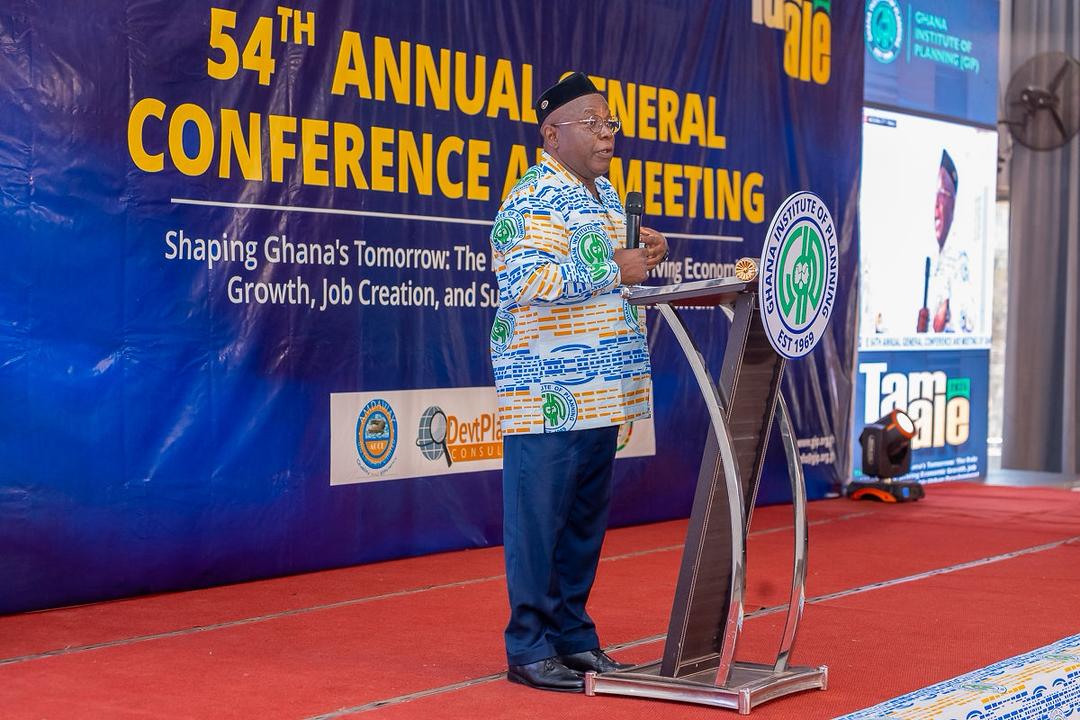
Dr Nii Moi Thompson, Chairman of the National Development Planning Commission (NDPC), has called for an integrated, long-term national development plan to translate Ghana’s steady economic growth into inclusive job creation and sustainable urban development.
Speaking at the 54th Annual Conference of the Ghana Institute of Planning (GIP) in Tamale, held under the theme “Shaping Ghana’s Tomorrow: The Role of Planning in Driving Economic Growth, Job Creation and Sustainable Urban Development”, Dr Thompson noted that although Ghana’s economy has shown signs of recovery in recent months, deep-seated structural challenges remain.
“Planning has contributed to macroeconomic stability; however, structural transformation remains limited. Informality, weak skills and inadequate infrastructure continue to constrain growth,” he said. He highlighted that Ghana’s informal sector—dominated by small-scale traders, artisans, petty-business owners and other micro-enterprise operators—employs between 80 and 90 per cent of the workforce, yet contributes only about 27 per cent of GDP.
Reflecting on Ghana’s long history of development planning—from Guggisberg’s Ten-Year Development Plan to Dr Kwame Nkrumah’s ambitious Seven-Year Development Plan—Dr Thompson observed that while many planning efforts have achieved significant progress, others have fallen short. He stressed that the lessons from past successes and failures must guide future approaches, especially in aligning long-term visions with short-term strategies and actions.
Turning to the twin challenges of job creation and sustainable urban development, Dr Thompson noted that despite the positive dividends of Ghana’s development frameworks, youth unemployment remains high. Over 75 per cent of the labour force is situated in the informal sector, contributing less than 30 per cent to national productivity. He added that rapid urbanisation continues to outpace infrastructure provision, with only 13 per cent of District Assemblies having prepared Spatial Development Frameworks—the essential roadmaps for guiding sustainable infrastructural investment.
Dr Thompson, who also serves as the Senior Presidential Advisor on the Sustainable Development Goals (SDGs), emphasised the need to reconceptualise economic growth beyond GDP figures. He called for a renewed focus on structural transformation, equitable employment and sustainable cities. He further advocated for an integrated long-term national development plan insulated from partisan political cycles—one that ensures strategic coherence, institutional continuity and inclusive prosperity for generations to come.
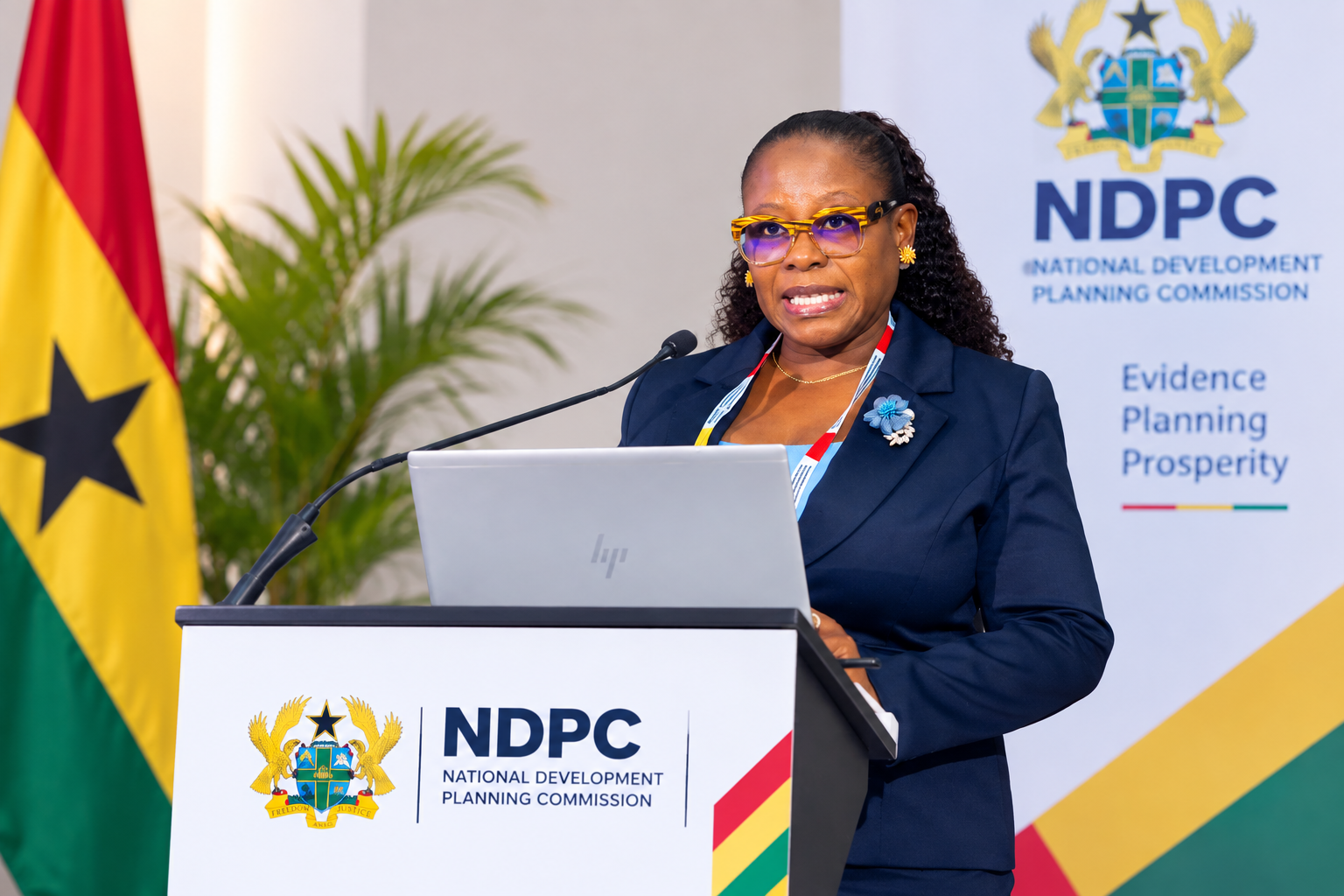
Dr Audrey Smock Amoah, Director-General of the National Development Planning Commission, also addressed the conference, underscoring the vital role of planners in shaping Ghana’s economic trajectory. She affirmed that Ghana is well positioned for planning to drive structural transformation, job creation and sustainable urban development.
She explained that the Commission’s forthcoming medium-term national development policy framework (2026–2029), Resetting Ghana Agenda: Creating Jobs, Ensuring Accountability and Promoting Shared Prosperity, aligns strongly with this national vision and requires enhanced coordination across all levels of government.
Dr Amoah identified value addition and innovation, better alignment of labour-market needs with job-creation opportunities, and inclusive urban development as critical pathways to strengthening economic resilience. She stressed that planners must anticipate emerging challenges, craft practical and forward-looking solutions, and lead transformative change. She noted that the principle of “No Plan, No Cash” will be strictly enforced to deepen accountability in development planning.
She encouraged planners to uphold integrity, professionalism and innovation in preparing and implementing plans that can turn Ghana’s rapid urbanisation into an engine of opportunity. She expressed confidence that the conference’s deliberations would further strengthen planning practice and contribute meaningfully to the country’s long-term development agenda.
The 54th Annual Conference of the Ghana Institute of Planning brought together the Minister for Local Government, Chieftaincy and Religious Affairs, Hon Ahmed Ibrahim; executives and members of the GIP; staff and management of the NDPC; and several dignitaries, including representatives from partner institutions.